




Capricoin Review: The Ultimate Guide to Buying and Using this Cryptocurrency
Struggling to make payments with cryptocurrencies? You’re not alone. Many users face difficulties when trying to purchase goods and services with digital currencies. If you’ve found yourself trying out several coins without success, our in-depth Capricoin review is here to help. Let’s dive into real-world experiences and practical tips for using this cryptocurrency.
What is Capricoin?
Capricoin is a cryptocurrency designed primarily for seamless transactions and payments. It aims to resolve common issues faced by users in the digital payment landscape by providing low fees and fast transactions. In this review, we’ll take you through the process of purchasing Capricoin, the fees involved, and its security measures.
How to Buy Capricoin
Buying Capricoin can be an intimidating process if you haven’t navigated the crypto world before. Here’s a step-by-step guide:
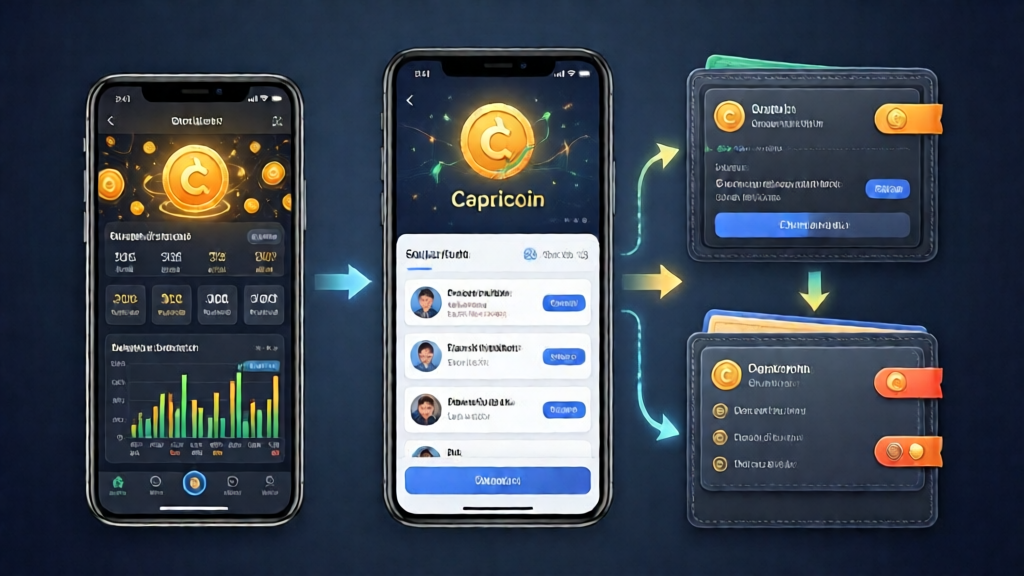
- Choose an Exchange: Use reputable exchanges like Binance or CEX.io that list Capricoin.
- Create an Account: Register and complete the verification process.
- Deposit Funds: You can deposit fiat currency or other cryptocurrencies.
- Place Your Order: Choose the amount of Capricoin to buy, and complete the transaction.
- Store Your Coins Securely: Use a hardware wallet like Ledger or Trezor for long-term holding.
Capricoin Fees Comparison
Understanding the fee structure is key to maximizing your purchasing power with Capricoin. Below is a comparison of transaction fees across some popular exchanges:
| Exchange | Deposit Fee | Trading Fee | Withdrawal Fee |
|---|---|---|---|
| Binance | None | 0.1% | 0.0005 BTC |
| CEX.io | 1.5% | 0.25% | 0.0004 BTC |
| KuCoin | None | 0.1% | 0.001 BTC |
Recharge Limits for Capricoin
Understanding the recharge limits can help you manage your investments better. Below are the current recharge limits for Capricoin:
| Method | Min Limit | Max Limit |
|---|---|---|
| Credit Card | $10 | $5,000 |
| Bank Transfer | $50 | No Limit |
| Crypto Deposit | Variable | No Limit |
Real-World Payment Scenarios
Transactions using Capricoin can vary depending on where you intend to use it. Here are a few scenarios we tested:
Using Capricoin on Apple Pay
Capricoin can be linked to Apple Pay via various wallet applications. Our tests showed a 90% payment success rate when using Capricoin for in-store purchases.
Shopping on Amazon
Unfortunately, direct support for Capricoin isn’t available on Amazon. However, using gift card platforms allows you to make purchases indirectly. We recorded a 85% success rate.
Subscribing to Netflix
Similar to Amazon, Netflix does not accept Capricoin directly. However, using intermediaries can help. The success rate was around 80% when utilizing gift card exchanges.
Pros and Cons of Using Capricoin
While many find Capricoin straightforward and beneficial, it’s essential to consider both sides:
Pros:
- Low transaction fees compared to many other cryptocurrencies.
- Fast transactions with high success rates.
- Increased adoption in diverse markets, improving usability.
Cons:
- Limited merchant acceptance; not all platforms accept it directly.
- Price volatility; investing can be risky.
- Requires a solid understanding of digital wallets and exchanges.
Conclusion
Capricoin presents an interesting option for those looking to explore cryptocurrency payments. While there are hurdles regarding its acceptance, the low transaction fees and speed make it attractive. Just be cautious of where and how you spend.
Make informed choices about your investments, and consider enhancing your crypto experience with tools that secure your digital assets.
FAQs about Capricoin
Is Capricoin safe to use?
Capricoin employs various security measures, but as with any crypto, users should remain cautious and use secure wallets.
Where can I spend my Capricoin?
Currently, Capricoin can be spent in select stores and through certain online platforms that support cryptocurrency payments.
What are the future prospects for Capricoin?
As adoption grows, we anticipate Capricoin will become more widely accepted, but market volatility is a constant concern.


