



The Significance of Bitcoin Halving Cycles: Understanding Its Impact on Price and Market Dynamics
Have you ever invested in Bitcoin only to watch its value skyrocket during certain periods while crashing during others? You may have found yourself asking, what drives these price fluctuations? Let’s get straight to the point: Bitcoin’s halving cycles play a pivotal role in its overall market behavior and price predictions. A specific event in the Bitcoin network that occurs approximately every four years, the halving directly impacts the number of new Bitcoins created and earned by miners, consequently affecting supply dynamics. Here’s why understanding these cycles matters.
What is Bitcoin Halving?
Bitcoin halving refers to the process whereby the reward for mining new Bitcoin blocks is halved. This phenomenon occurs after every 210,000 blocks have been mined, approximately every four years.
The halving event serves to regulate the supply of Bitcoin, ensuring it remains scarce. As noted by the Chainalysis 2026 report, the last halving in May 2020 reduced the mining reward from 12.5 to 6.25 bitcoins. The next halving is expected to take place in 2024, further reducing the reward to 3.125 bitcoins. Understanding this cycle is vital for both new and experienced investors as it influences market trends, prices, and investment decisions.
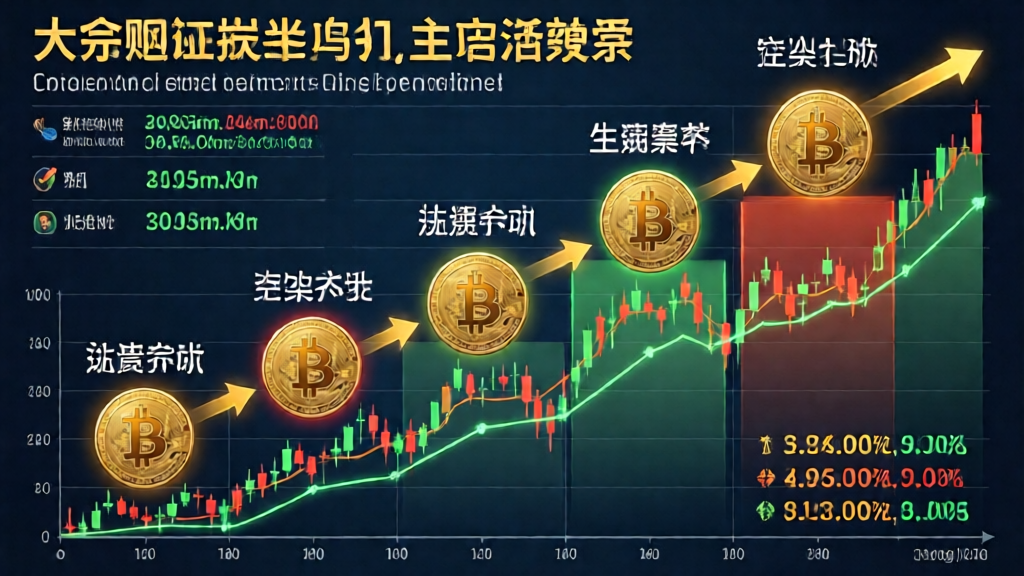
How Do Bitcoin Halving Cycles Affect Prices?
To grasp the significance of Bitcoin halving cycles, one must analyze historical performance and market sentiment surrounding these events. Here, we’ll break down three past halvings:
| Halving Date | Reward Before Halving | Reward After Halving | Price Before Halving | Price One Year After |
|---|---|---|---|---|
| November 2012 | 50 BTC | 25 BTC | $12 | $1,200 |
| July 2016 | 25 BTC | 12.5 BTC | $650 | $2,600 |
| May 2020 | 12.5 BTC | 6.25 BTC | $8,500 | $60,000 |
The table reveals a clear trend: every halving has historically preceded a significant price increase. However, it’s essential to note that while these trends offer valuable insights, past performance doesn’t guarantee future success. Understanding market psychology can enhance your predictive skills.
Market Psychology and Speculation
It’s crucial to analyze how market sentiment evolves leading up to and following a halving event. Speculation often spikes as traders anticipate price surges based on historical data. For instance, before the May 2020 halving, Bitcoin’s price consistently climbed, fueled by traders hoping to capitalize on potential future gains.
The catch is that sentiment can also be negatively influenced by external factors such as regulatory news or global economic shifts. As a result, prices can fluctuate wildly beyond the traditional cycles expected by many.
Let’s examine some key elements surrounding market psychology during halving events:
- Increased Interest: As the halving date approaches, new investors often flood the market, driven by media hype and a fear of missing out (FOMO).
- Price Predictions: Many analysts make bold predictions about Bitcoin’s price trajectory post-halving, leading to increased speculation.
- Market Corrections: Often, a sharp price increase will be followed by a correction as investors take profits, further inducing volatility.
Evaluating the Pros and Cons of Halving Cycles
For investors, understanding the upsides and downsides of Bitcoin halving cycles is equally important. Here’s a breakdown of the merits and drawbacks:
Pros
- Scarcity and Value: Bitcoin’s halving guarantees a limited supply, reinforcing its value proposition as a digital asset.
- Historical Growth: Price surges following each halving event offer compelling evidence for potential growth opportunities.
- Long-term Investment Opportunities: Strategic investors can use halving cycles to time their entries and exits more effectively.
Cons
- Market Volatility: The periods surrounding halvings can induce significant price volatility, leading to potential investor losses.
- Over-reliance on Historical Trends: While past performance provides context, markets can behave unexpectedly, rendering predictions ineffective.
- Market Manipulation Risks: Speculation and manipulation can distort prices, complicating decision-making for average investors.
Practical Applications: How to Buy Bitcoin Following a Halving
So, you’re convinced about the significance of Bitcoin halving but have no idea how to purchase Bitcoin? Here’s a straightforward guide to effectively acquiring Bitcoin after a halving:
Step-by-Step Guide
- Choose a Reputable Exchange: Select an exchange that offers favorable fees and security features. Some recommended platforms include Coinbase and Binance.
- Create an Account: Sign up on your chosen exchange. Follow their compliance measures—this often involves identity verification.
- Secure Your Investment: After purchasing Bitcoin, consider transferring it to a hardware wallet like the Trezor for enhanced security.
- Monitor the Market: Stay updated on Bitcoin news, market sentiment, and analytics using tools like TradingView.
- Make Strategic Decisions: Depending on market sentiment, decide whether to hold, sell, or invest further.
Frequently Asked Questions (FAQ)
What is Bitcoin halving?
Bitcoin halving is an event where the mining reward for Bitcoin is cut in half, reducing the number of new Bitcoins created. This occurs every 210,000 blocks, roughly every four years.
When is the next halving scheduled?
The next Bitcoin halving is projected to occur in 2024, reducing the reward to 3.125 bitcoins per block.
How does halving impact Bitcoin’s price?
Historically, Bitcoin’s price has experienced significant increases following halvings due to reduced supply and heightened market speculation.
Is investing after a halving a good strategy?
While halvings have historically led to price surges, market dynamics can be unpredictable. Always perform thorough research and consider your financial situation before investing.
Conclusion
Understanding the significance of Bitcoin halving cycles is fundamental in navigating the complexities of cryptocurrency investment. These cycles can provide traders with insight into potential price movements, but they come with their unique set of risks and market dynamics. Stay informed, assess your risk tolerance, and make educated investment decisions. Dive deeper into the world of crypto by exploring additional resources on ccoinshop.com.
Financial Disclaimer: The information provided in this article is for informational purposes only and should not be considered financial advice. Always consult with a financial advisor before making investment decisions.