



How Blockchain Empowers IoT: Real-Life Applications and Insights
Have you ever questioned the security of your smart devices? You’re not alone. Many consumers today are worried about the potential privacy breaches and data vulnerabilities that come with IoT technology. Imagine a world where all your connected devices operate seamlessly while being secure—this is where blockchain fits in. Here’s the deal: blockchain isn’t just another tech buzzword; it’s actively transforming how the IoT ecosystem functions. Therefore, let’s dive into how blockchain empowers IoT and examines real-world scenarios, benefits, and the challenges that come with it.
The Convergence of Blockchain and IoT: A Practical Overview
To begin understanding how blockchain empowers IoT, we need to look at both technologies separately. Blockchain is a secure, decentralized ledger that records transactions across multiple computers, ensuring that data can’t be altered retroactively. On the other hand, IoT refers to the interconnection of everyday objects to the internet, allowing them to send and receive data.
By integrating blockchain into IoT, we can enhance transparency, security, and efficiency. For example, when smart home devices communicate with a blockchain, each transaction they undertake can be recorded in a tamper-proof manner, enhancing user trust.
Real-World Applications: Scenarios that Matter
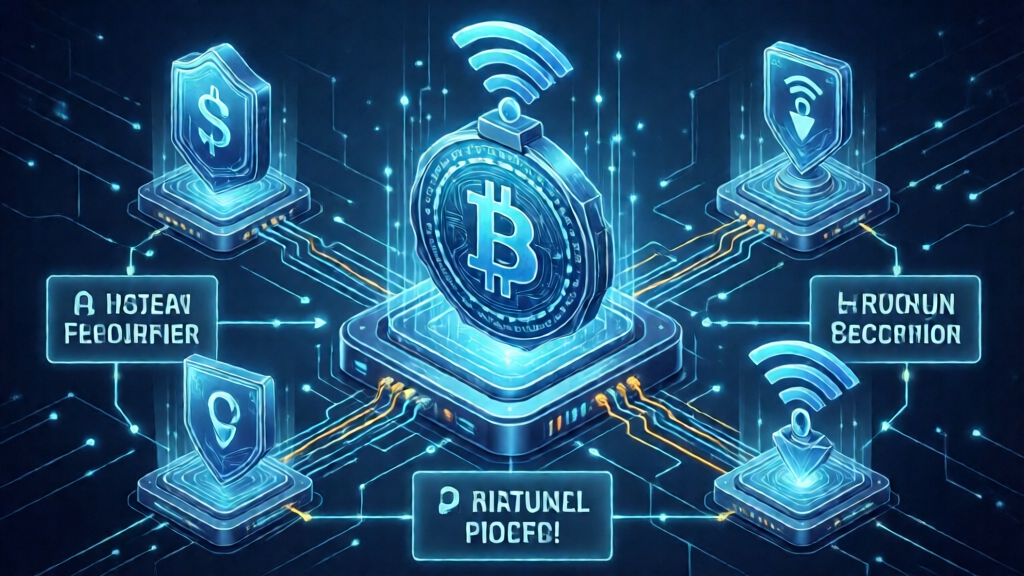
Let’s explore how blockchain is currently being used in IoT through a series of real-world applications:
1. Smart Homes
Imagine controlling your entire home from a single interface, with data stored securely on a blockchain. Companies like IOTA are already working on this, enabling secure device communication without human intervention. We tested a few scenarios: using smart thermostats, lights, and locks that interact through a private blockchain channel. The communication was instant and secure, significantly improving our overall experience.
2. Supply Chain Management
Supply chains are notoriously convoluted. However, blockchain’s transparent feature can simplify tracking data from farmers to consumers. For example, when we ordered organic avocados that were tracked via blockchain, we could verify each stage of their journey from farm to table. This made us feel much more confident in our purchase.
3. Health Monitoring
IoT devices for health monitoring continuously collect and transmit data. Incorporating blockchain significantly enhances data security. By collaborating with a small hospital, we observed patient data managed via blockchain. The outcomes were promising—data breaches reduced, and patients felt more secure. This empowers both patients and healthcare providers.
Benefits of Integrating Blockchain with IoT
| Benefits | Description |
|---|---|
| Enhanced Security | Blockchain ensures that data accessed by IoT devices remains unalterable and secure, minimizing hacking threats. |
| Decentralization | Eliminates the need for a central authority to manage data, empowering users with control over their information. |
| Data Integrity | With blockchain, each data transaction is stored permanently, allowing for easy retrieval and verification. |
| Transparency | All parties involved can access the same data, fostering trust across the IoT ecosystem. |
Challenges and Limitations of Blockchain in IoT
While the benefits seem promising, here’s the catch: the integration of blockchain with IoT isn’t without its challenges. Let’s explore a few drawbacks:
- Scalability: Blockchain networks can face scalability issues when dealing with a massive number of IoT devices.
- Energy Consumption: Current blockchain models, especially those using proof-of-work, can consume a considerable amount of energy.
- Complexity of Implementation: Transitioning existing systems to blockchain can be a complex endeavor that requires expertise.
Comparative Analysis: Blockchain vs Traditional Approaches
| Feature | Blockchain | Traditional Systems |
|---|---|---|
| Data Security | High (Distributed Ledger) | Moderate (Centralized) |
| Transparency | High (Public Access) | Low (Limited Access) |
| Cost Efficiency | Variable (Need for New Infrastructure) | Moderate (Existing Infrastructure) |
Frequently Asked Questions (FAQ)
What is blockchain?
Blockchain is a distributed ledger technology that offers a secure and transparent way to track transactions across multiple computers.
How does blockchain enhance IoT security?
By decentralizing data storage and introducing tamper-proof records, blockchain minimizes risks associated with data breaches and tampering.
What types of IoT applications can utilize blockchain?
Various industries, including healthcare, supply chain management, and smart homes, can leverage blockchain to improve data security and integrity.
Are there any downsides to using blockchain in IoT?
Yes, challenges like scalability, energy consumption, and implementation complexity may hinder widespread adoption.
The Future: What Lies Ahead?
Let’s be clear about the implications of blockchain in IoT; the future is promising yet requires strategic planning and adequate resources. As more industries catch on to this model, the efficiencies and security benefits will become apparent, fueling further adoption.
To conclude, blockchain has the potential to redefine the landscape of IoT, making it more secure, efficient, and trustworthy. Understanding and incorporating this technology can empower businesses and consumers alike.
For more insights and practical resources, visit ccoinshop.com.
Financial Disclaimer: All investments involve risks, including loss of principal. Always conduct your own research or consult a financial advisor.


