




Introduction to Cryptocurrency Mining: Your Complete Guide to Getting Started
Frustrated with soaring electricity bills and volatile coin prices while trying to cash in on cryptocurrency? You’re not alone. Mining cryptocurrencies can feel daunting, especially with so much conflicting advice and rapidly changing technologies. The good news is: you can succeed with the right knowledge and tools in hand.
In this expansive guide, we’ll break down everything you need to know about cryptocurrency mining—from basic concepts to practical steps. By the end of this article, you’ll understand not just how to get started, but also the real-world experiences and tests that have shaped the cryptocurrency mining landscape. Let’s dive in.
What is Cryptocurrency Mining?
Cryptocurrency mining is the process through which new cryptocurrency coins are created and transactions are verified and added to the public ledger, known as the blockchain. Miners utilize powerful computing hardware to solve complex mathematical problems, gaining a reward in the form of new coins for their efforts.
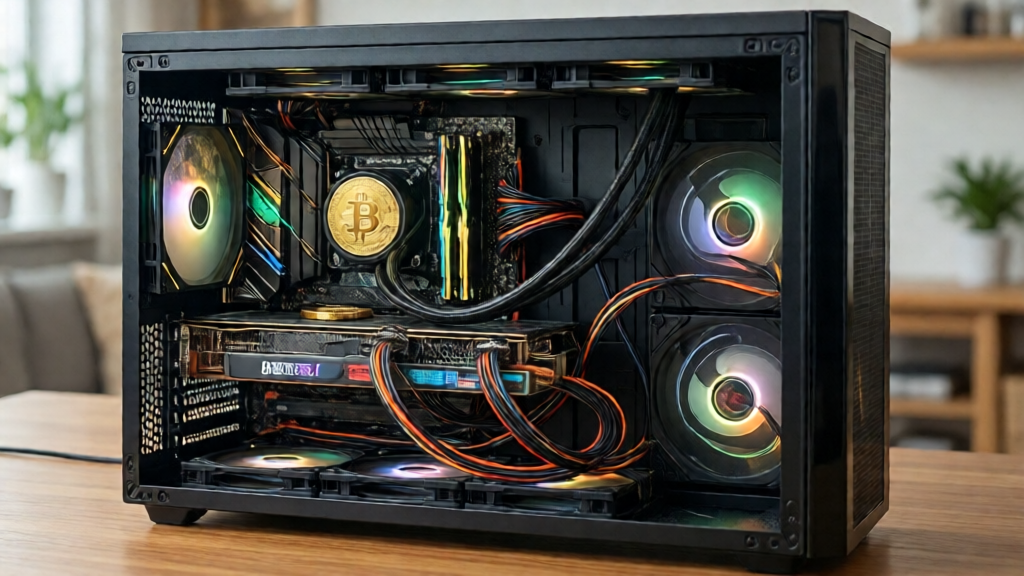
The Real Costs of Getting Started
Initial Investments
Starting your mining operation requires a careful analysis of initial costs, including:
- Mining Hardware: Depending on what you plan to mine, you’ll need a graphics processing unit (GPU) or an application-specific integrated circuit (ASIC). GPUs are more versatile but less powerful than ASICs.
- Power Supply Units: Ensure your power supply can handle the cumulative power requirements of your mining rigs.
- Cooling Solutions: Mining rigs generate heat; proper cooling extends their lifespan and ensures optimal performance.
Operating Costs
Be prepared for ongoing costs which play a significant role in profitability:
- Electricity Rates: Cryptocurrencies depend on solving complex calculations, which can consume vast amounts of electricity. Always compare rates in your area.
- Maintenance: Regular maintenance on hardware to ensure efficient operation can add to your expenses.
- Mining Pool Fees: Joining mining pools can sometimes involve membership fees, but they also offer steady returns from a collective effort.
Building Your Mining Rig
Here’s the deal: building your own rig can offer greater flexibility and the potential for higher returns. Follow these crucial steps:
Choosing the Right Components
- Graphics Cards: One or more high-performance GPUs, like NVIDIA’s RTX series or AMD’s RX series, are essential for most altcoin mining.
- Motherboard: A mining-specific board that supports multiple GPUs will ensure you can scale your operations.
- CPU: A mid-range processor is all that’s needed, as mining mainly depends on your GPUs.
- RAM: 4-8GB of RAM is typically sufficient.
- Storage: Solid State Drives (SSDs) improve boot times and loading speeds.
- Power Supply: Invest in a high-efficiency power supply unit with adequate capacity.
Assembling the Rig
Make sure to follow best practices for hardware assembly to avoid overheating and ensure the rig runs smoothly. Cooling systems can include fans, heat sinks, and even water cooling for large-scale operations.
Mining Software
The mining software translates your hardware efforts into actual cryptocurrency. Here’s the catch: the right software can impact both your success and the overall profitability of your mining operation. Popular miners include:
- CGMiner: Open-source and widely used, especially for GPU mining.
- NiceHash: Excellent for beginners, allowing you to rent out your hash power.
- Claymore: Focused on dual mining, allowing miners to mine two cryptocurrencies simultaneously.
Mining Pools vs. Solo Mining
When you consider how to optimize your mining efforts, joining a mining pool might be the way to go. Here’s a breakdown of the pros and cons:
Mining Pools
- Pros:
- Guaranteed returns through shared efforts.
- Lower variance in earnings compared to solo mining.
- Cons:
- Pool fees can eat into profits.
- Payouts are distributed, meaning you earn less per successful block mined.
Solo Mining
- Pros:
- Keep the entire block reward if you succeed.
- No fees to worry about.
- Cons:
- Highly volatile earnings as you may go long periods without finding a block.
- More significant upfront costs due to hardware requirements.
Evaluating Profitability
To successfully evaluate your mining profitability, you’ll need to consider several factors:
Mining Calculators
Utilizing mining calculators allows you to input costs like electricity, hardware expenses, and potential mining earnings to forecast your profitability.
Market Prices
Market conditions fluctuate regularly. Tools like CoinGecko help track market prices of mined cryptocurrencies.
Difficulty Rates
Each cryptocurrency has a difficulty rating that changes based on the amount of mining power connected to the network. High difficulty rates can lead to less profitability.
Security is Key
Cryptocurrency mining requires the utmost attention to security. Investing in hardware wallets such as Ledger or Trezor is an excellent strategy to safeguard your mined coins. Regular updates for mining software and hardware also play a crucial role in maintaining your operation’s security.
Common Mistakes to Avoid
Here are a few pitfalls to watch out for:
- Ignoring Research: Familiarize yourself with cryptocurrency markets, mining practices, and hardware requirements.
- Overlooking Cooling Needs: Many rigs fail due to overheating, leading to significant costly repairs.
- Poor Financial Tracking: Keep a ledger for expenses, profits, and maintenance costs to understand your operation’s overall health.
Conclusion
Getting into cryptocurrency mining can undoubtedly feel overwhelming at first. However, with the right information and practical steps outlined above, you’re now equipped to tackle your mining efforts confidently. Monitor both the technological advancements and shifts in market conditions to stay ahead in this ever-evolving field. Ready to charge into cryptocurrency mining? Keep learning and adapting to ensure long-term gains.
FAQs
What is the best cryptocurrency to mine in 2026?
While Bitcoin remains the most popular, altcoins like Ethereum, Monero, and Ravencoin can also be lucrative depending on market trends and your hardware capabilities.
How much does it cost to start mining?
The costs to start mining can vary significantly based on your hardware choice and electricity rates. An average setup can range from $1,500 to $5,000.
Is mining still profitable in 2026?
Profitability varies based on many factors, including initial investment, electricity costs, and market dynamics. Always calculate expected returns based on current conditions before starting.
Financial Disclaimer
The information provided in this article is for informational purposes only and should not be considered financial advice. Always do your own research and consult with a financial advisor before making investment decisions.
Learn more on ccoinshop.com


