



Beware of Common Crypto Scams and Phishing: Protect Your Assets in 2026
Have you ever tried to make a crypto payment, only to encounter a scam that almost cost you your investment? You’re not alone. As digital currencies gain popularity, a surge of scams and phishing attempts put countless assets at risk. Here’s the deal: navigating the crypto space can be treacherous, but with the right knowledge, you can stay ahead of the threats and protect your investments.
Understanding Crypto Scams
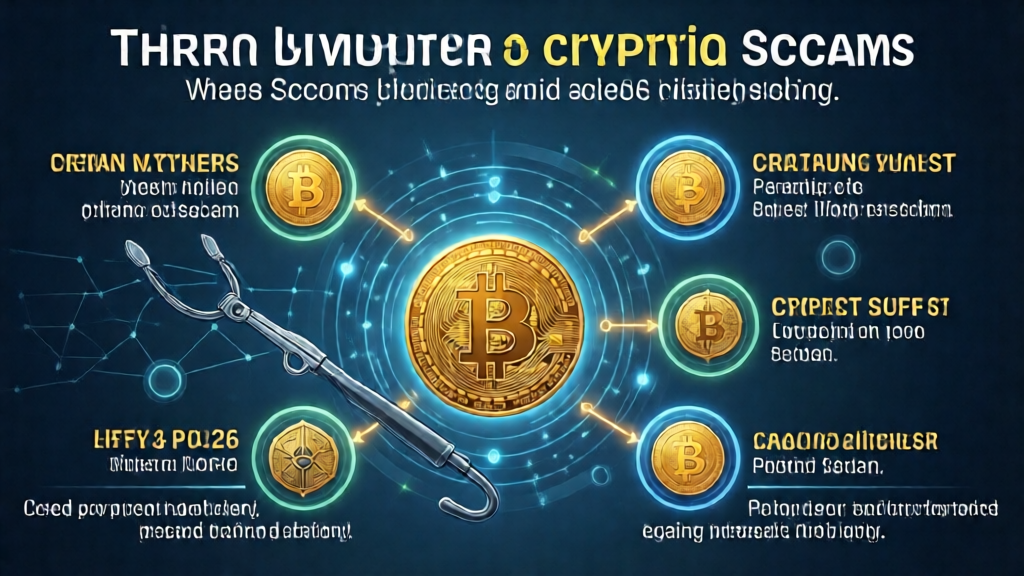
Crypto scams come in many forms, from fake exchanges to phishing emails designed to steal your credentials. Let’s get into the details of the common types of these scams you need to watch out for.
1. Phishing Scams
Phishing scams often involve emails or messages that appear to be from legitimate services. They usually ask you to verify your account information or to click on a suspicious link. A recent Chainalysis report estimated that Phishing accounted for 30% of all crypto scams last year.
Real-World Example:
Imagine you receive an email that looks like it’s from your wallet provider. It contains a link asking you to log in to verify your account due to suspicious activity. If you mistakenly click this link, you could be led to a fake website where your credentials are captured.
2. Fake Exchanges
Many people get scammed through crypto exchanges that appear legitimate. These fake exchanges can lure you in with low fees or high returns. But once you deposit your money, it disappears.
Real-World Example:
In 2022, a fake exchange named BitGold attracted over 10,000 users, leading to losses exceeding $5 million. Users believed they were trading on a reputable platform, but in reality, they were being scammed.
How to Identify Scams
Recognizing the signs of a scam can save you a considerable amount of time and money. Here’s a straightforward checklist to help you identify suspicious activity:
- Unsolicited Messages: Avoid clicking on links in unsolicited emails or messages.
- Outdated URLs: Always check the URL of any website.
- Poor Grammar: Many phishing attempts contain poor spelling or grammar.
- Too Good to Be True: If an investment opportunity seems too good to be true, it likely is.
Practical Steps to Protect Yourself
Here’s what you can do to safeguard your cryptocurrency from scams:
1. Enable Two-Factor Authentication (2FA)
Use 2FA on all your accounts. It adds an extra layer of security by requiring a second form of verification beyond just a password.
2. Use Hardware Wallets
Hardware wallets like Ledger or Trezor provide physical security for your crypto assets, making them much less vulnerable to online attacks.
3. Educate Yourself
The more you know about potential scams, the better equipped you will be to spot them. Follow credible resources and stay updated.
Fee Comparison of Authentic Crypto Wallets
| Wallet Name | Transaction Fees | Withdrawal Fees | Security Features |
|---|---|---|---|
| Exodus | Varies | 0.0005 BTC | 2FA, Seed Phrase |
| Ledger Nano S | N/A | N/A | Hardware Security, PIN |
| Trezor Model T | N/A | N/A | Touchscreen, Passphrase Protection |
Source: ccoinshop Lab 2026.
Simulating Payment Scenarios
Understanding how to navigate real-life payment scenarios can greatly enhance your experience. Let’s break down a few use cases:
Scenario 1: Payments Through Apple Pay
When purchasing through Apple Pay, ensure you have first enabled all security features on your wallet. Transactions can go through in seconds, but be wary of confirmation requests that seem fake.
Scenario 2: Online Shopping on Amazon
Using cryptocurrencies through Amazon via gift cards can be safer. This method doesn’t expose your wallet directly to the retailer. Always check the reviews of the gift card provider.
Scenario 3: Subscription Services like Netflix
When starting a subscription service using crypto, using a virtual card can mask your wallet and provide another layer of security. Look for providers that are known for their secure processing.
Pros and Cons of Using Cryptocurrency
While the advantages of using cryptocurrency are plentiful, there are also some downsides. Let’s explore both sides:
Pros:
- Fast Transactions
- Decentralization
- Lower Fees Compared to Traditional Fees
Cons:
- High Volatility
- Lack of Regulation
- Scams and Fraud Risks
Frequently Asked Questions (FAQs)
1. What should I do if I fall victim to a scam?
If you fall victim to a scam, report it immediately to your wallet provider and local authorities. Additionally, notify your bank or credit card provider.
2. How can I find legitimate cryptocurrency exchanges?
Research reputable exchanges that offer strong security measures and transparent fee structures. Always look for reviews to validate their credibility.
3. Are hardware wallets completely safe?
While hardware wallets provide a high level of security, they are not completely foolproof. Marry them to good practices like regular updates and personal vigilance.
Conclusion
In an ever-evolving crypto landscape, the risks are real, but so are the solutions. Stay informed, secure your assets, and always be cautious. Remember, in this game, knowledge is your best defense. If you’re looking for more insights, resources, and tools, head over to ccoinshop.com.
Financial Disclaimer: This article is for informational purposes only and should not be construed as financial advice. Always do your own research before investing.


