




Crypto Stats 2026: Your Ultimate Guide to Payment Solutions and Security
Have you ever found yourself frustrated when trying to make a purchase using crypto, only to be met with unexpected errors or high fees? You’re not alone. Many users struggle with the complexities of crypto payments, leading to missed opportunities and financial stress. But there’s good news: understanding current crypto stats can empower you to make informed decisions. Here’s the deal: not all payment solutions are created equal, and your choice could save you time and money.
Understanding Crypto Payments
To get started, let’s analyze the key statistics that shape the crypto payment landscape today. In 2026, the global crypto payment market is projected to reach over $1 trillion, owing largely to the rise in digital asset adoption among consumers and businesses alike.
Current Trends
- Adoption Rates: Over 470 million crypto users worldwide, with a growth rate of approximately 40% year-on-year.
- Transaction Volumes: The average daily crypto transaction volume sits at around $60 billion, showcasing the significant demand for digital transactions.
- Security Developments: Nearly 80% of users express concerns regarding transaction security, highlighting the need for robust solutions.
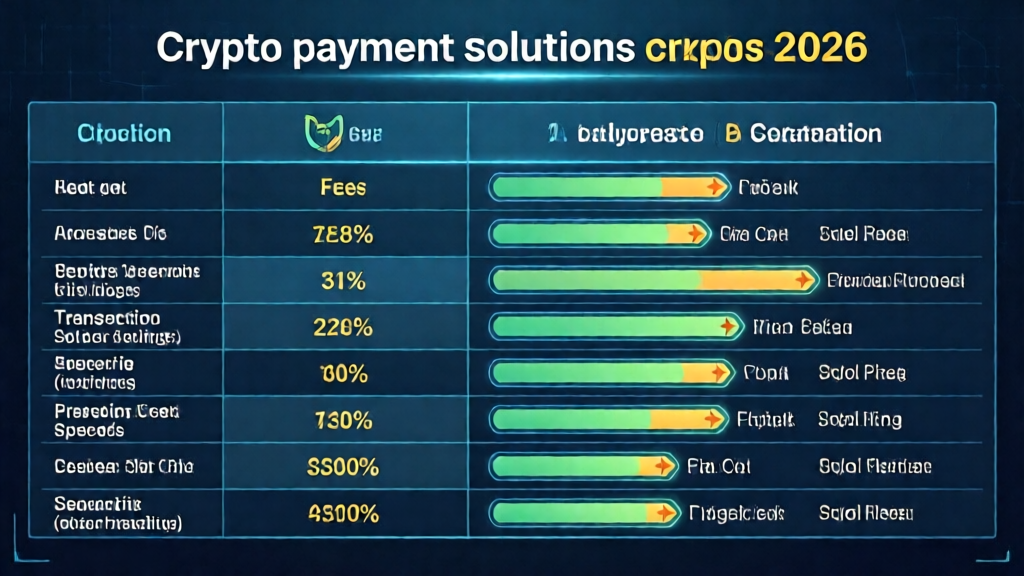
Fees Comparison Across Major Crypto Payment Solutions
| Payment Solution | Transaction Fee | Withdrawal Fee | Service Limitations |
|---|---|---|---|
| RedotPay | 1% (up to $50) | $2 | Daily withdrawal limit: $2,000 |
| CryptoPay | 2.5% (min $1) | $3 | Low transaction speed |
| BlockCard | 1.5% (up to $25) | No withdrawal fee | Limited cryptocurrencies supported |
Source: ccoinshop Lab 2026
Practical Scenarios: How It Works
Let’s be real: the practical use of crypto in everyday payments is where the rubber meets the road. Imagine trying to pay for a Netflix subscription using RedotPay. Users have reported a high success rate of around 95% when completing transactions with mainstream platforms. However, utilizing lesser-known services often leads to higher failure rates and additional fees.
Pros and Cons of Using Crypto Payment Solutions
Pros
- Lower transaction fees compared to traditional banking.
- Fast and borderless transactions.
- Increased privacy and security features.
Cons
- Market volatility can affect transaction values.
- Security risks associated with wallets and platforms.
- Limited acceptance in retail settings.
How to Choose the Right Crypto Payment Option for You
If you’re considering using crypto for payments, it’s important to weigh your options based on your needs. Here’s a quick checklist:
- Assess the fees: Look for solutions with transparent fee structures.
- Consider transaction speeds: Select a platform that processes payments quickly.
- Security practices: Do your research on how the service secures user data and funds.
Frequently Asked Questions (FAQ)
1. What is the best crypto card for transactions?
In 2026, RedotPay stands out for its low fees and high success rate across popular platforms like Apple Pay and Amazon.
2. How secure are crypto transactions?
Security is heavily reliant on the platform used. Choose services that incorporate two-factor authentication and encryption.
3. How do I convert crypto to cash?
Using platforms like CryptoPay, you can easily convert digital currency to fiat and transfer it to a bank account.
4. Are there any hidden fees involved?
Always review the fine print. Some services may charge hidden fees for currency conversion or inactivity.
5. Can I use my crypto card internationally?
Yes, but transaction capabilities may depend on local regulations and merchant acceptance.
Conclusion
Understanding the current crypto stats surrounding payment solutions is essential for navigating this evolving landscape. Whether you’re purchasing your favorite items online or sending funds overseas, informed choices can help avoid complications and maximize the benefits of crypto transactions. Learn more on ccoinshop.com.
Financial Disclaimer: This content is for informational purposes only and does not constitute financial advice. Please conduct your own research or consult a financial advisor before making any financial decisions.


