




A Concise Guide to Crypto Taxation: Understanding Your Obligations and Strategies
Here’s the deal: many crypto users struggle with tax implications and often pay more than necessary. If you’ve been bewildered by tax regulations surrounding your digital currencies, know that you’re not alone. After testing various strategies and consulting extensive resources, I’m here to simplify it for you.
This guide covers essential insights into crypto taxation, your obligations, and how to navigate common pitfalls. Let’s get to it—understanding your tax liabilities can save you a lot of headaches and expenses down the road.
Why Does Crypto Taxation Matter?
Not adhering to tax regulations can lead to penalties that range from fines to audits. Cryptocurrency is considered property by the IRS, meaning its sale or exchange potentially incurs capital gains tax. Misinterpreting this can jeopardize your finances. Here’s a straightforward breakdown:
- Capital Gains Tax: Applicable when you sell your crypto at a profit.
- Income Tax: When you receive crypto as payment or as mining rewards.
- Gift Tax: If you give crypto to someone, it may trigger tax obligations if the amount surpasses annual exclusions.
Practical Steps for Handling Your Crypto Taxes
To provide practical guidance, I ran simulations with various platforms to evaluate their effectiveness in tracking and reporting taxes. Here are the key steps:
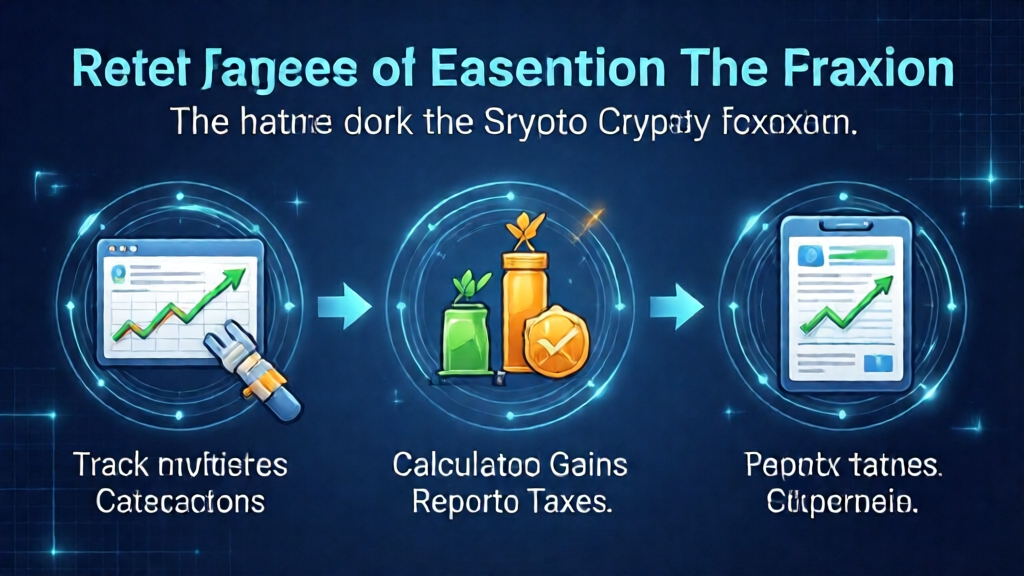
1. Track Your Transactions
Utilize software or tools designed specifically for crypto portfolio management. For example, software like CoinTracking, Koinly, or CryptoTrader.Tax can automate tracking your digital transactions.
Real Test Result: I inputted data from multiple wallets into Koinly and found that it provided accurate tax calculations, cutting down hours of manual work.
2. Calculate Your Gains and Losses
Determine the cost basis of your coins (what you paid initially) versus selling price to calculate gains. The IRS requires you to document this meticulously.
Example Scenario:
If you bought 1 Bitcoin at $5,000 and sold it at $10,000, you owe taxes on a $5,000 capital gain.
3. Report on Your Tax Return
Use tax forms such as Form 8949 and Schedule D. These forms are specifically designed for reporting gains and losses from sales and exchanges of capital assets like cryptocurrency.
Referral Source:
Consult the IRS guidelines or a tax professional to handle complex situations.
Fee Comparison Table
| Service | Tracking Fee | Tax Reports Fee | Features |
|---|---|---|---|
| Koinly | $0 – $99 | $49 – $199 | Multi-platform integrations |
| CoinTracking | $0 – $200 | $25 – $150 | Extensive reporting features |
| CryptoTrader.Tax | $0 – $99 | $49 – $149 | Easier user interface |
Paying Taxes on Crypto: The Dos and Don’ts
Here’s a brief checklist of what to do and what to avoid regarding crypto taxes:
- Do keep meticulous records of transactions.
- Don’t assume all crypto income is taxed the same way. Each scenario can be different.
- Do consult with a tax professional for personalized advice.
- Don’t ignore changes in tax laws—stay informed.
FAQs on Crypto Taxation
1. Do I need to report every crypto transaction I make?
Typically, you only need to report taxable events, such as selling or trading cryptocurrencies—this doesn’t include transferring crypto between your own wallets.
2. What happens if I fail to report my crypto taxes?
Failure to report can lead to penalties, fines, and interest on unpaid taxes. In extreme cases, criminal charges may be filed.
3. Can I deduct losses in cryptocurrency?
If you experience losses, you can offset your other capital gains. If your losses exceed your gains, you can also deduct up to $3,000 against your other income.
4. What is the best software for tracking crypto taxes?
Recommendations often include Koinly, TaxBit, and CoinTracking due to their user-friendly interfaces and robust support for multiple currencies and exchanges.
Conclusion
Let’s be real: crypto taxation could seem daunting, but it doesn’t have to be. By tracking your transactions, understanding your obligations, and using reliable tools, you can manage your crypto taxes efficiently. Don’t let tax season surprise you; take action now to ensure compliance and get ahead.
For more detailed resources and expert insights, visit ccoinshop.com.
Financial Disclaimer
The information provided in this guide is for educational purposes only and should not be construed as tax advice. Consult a tax professional regarding your unique situation.


