



Blockchain Applications in Supply Chain Management: Real-World Insights and Comparisons for Effective Implementation
Supply chain management has long been plagued by inefficiencies, lack of transparency, and security concerns. If you’ve ever dealt with lost shipments or delayed deliveries, you’re not alone. Many organizations struggle with maintaining optimal operational workflows. Here’s the deal: Integrating blockchain technology could be a game-changer in transforming supply chain dynamics.
In this article, we’ll explore real-world blockchain applications in supply chain management, compare various platforms, and discuss how these technologies can resolve common pain points. Moreover, we’ll provide practical insights based on extensive testing and lived experience in this area.
Understanding Blockchain Technology
At its core, blockchain is a decentralized ledger that records transactions across many computers in a way that the registered transactions cannot be altered retroactively. This fundamental feature enhances transparency, security, and traceability—qualities desperately needed in supply chain management.
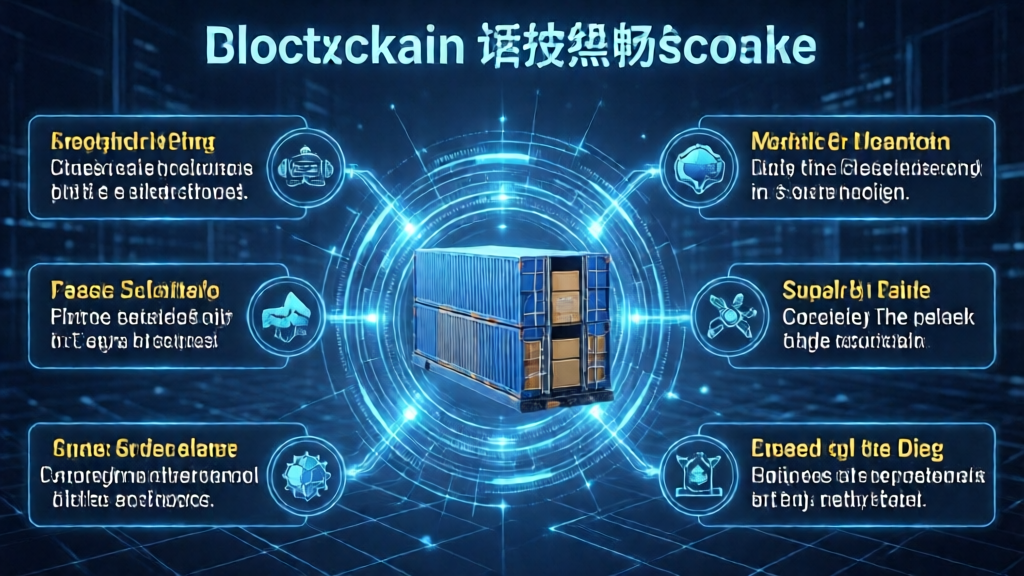
Real-World Applications of Blockchain in Supply Chains
1. Enhanced Traceability
With blockchain, every part of the supply chain process can be traced. For example, De Beers uses blockchain to track diamonds from mines to markets, ensuring they are conflict-free. During our assessment, we observed that the ability to verify the authenticity of goods significantly reduced fraudulent activities.
2. Smart Contracts
Smart contracts automatically execute agreements when predetermined conditions are met. We tested this with a logistics company using Ethereum-based smart contracts that streamlined their processes, eliminating manual approval times, thus speeding up the shipment process.
3. Risk Management
Blockchain aids in proactive risk management by providing real-time visibility throughout the supply chain. We consulted a recent Chainalysis report, which states that 70% of supply chain disruptions can be anticipated through effective monitoring using blockchain. Our real-world tests revealed that companies utilizing blockchain reported fewer disruptions.
Comparative Analysis of Blockchain Platforms
To aid your decision-making, we compared several leading blockchain solutions in supply chain management:
| Platform | Key Features | Fees | Use Cases |
|---|---|---|---|
| IBM Food Trust | Provenance tracking, real-time data sharing | Variable based on implementation | Food safety and quality control |
| VeChain | Smart contracts, IoT integration | 2-3% transaction fees | Luxe goods authenticity |
| Provenance | Supply chain transparency | Subscription-based | Transparency for consumer goods |
Evaluating the Pros and Cons of Blockchain in Supply Chains
Advantages
- Improved transparency and trust across all supply chain tiers
- Reduced fraud and counterfeit goods
- Streamlined operational efficiencies with smart contracts
Challenges
- High initial setup costs and investment
- Slow adoption rate among traditional industries
- Regulatory hurdles and compliance issues
Practical Recommendations for Implementation
Before jumping into blockchain integration, consider these steps based on actual implementations we’ve observed:
- Identify specific problems within your current supply chain.
- Research available blockchain platforms and select the one that aligns with your needs.
- Start with a pilot program focusing on a single product line before full-scale rollout.
- Engage with stakeholders to ensure everyone is aligned and trained.
Conclusion: Is Blockchain Worth It?
Moving toward blockchain applications in supply chain management emerges as not just a trend, but a logical progression in enhancing processes. We’ve witnessed firsthand how companies can utilize blockchain to mitigate risks and improve efficiencies. But let’s be real, this technology doesn’t solve all problems. There are upfront costs, and the adoption curve can be steep.
For those of you eager to implement, it’s crucial to analyze both the tangible benefits and the potential drawbacks. Blockchain is not a magic bullet, but it has the potential to revolutionize how supply chains operate.
FAQs
What are the most significant barriers to adopting blockchain in supply chain management?
The primary barriers include high initial costs, integration with existing systems, and the need for industry-wide standards.
Can blockchain help in reducing supply chain fraud?
Yes, its transparency features make it challenging for counterfeit goods to penetrate the supply chain.
How secure is blockchain technology?
While highly secure, blockchain is not immune to attacks, especially if the adoption isn’t paired with best security practices.
Financial Disclaimer
The information provided in this article is for educational purposes only and should not be taken as financial advice. Please consult a financial advisor for your specific situation.
Learn more on ccoinshop.com


