



What is a Rug Pull and How to Avoid It: Your Ultimate Guide
Have you ever invested in a promising cryptocurrency project only to find out it was a scam? You’re not alone. Many people have fallen victim to rug pulls, where developers abandon a project and run away with the investors’ funds. This article delves deep into what a rug pull is, how to spot one, and most importantly, how to avoid becoming a victim.
Understanding Rug Pulls
A rug pull occurs when a developer of a cryptocurrency project suddenly withdraws all funds from the liquidity pool, leaving investors with worthless tokens. These scams often occur in decentralized finance (DeFi) where projects lack regulatory oversight, making them susceptible to malicious actions.
The Mechanics of a Rug Pull
Rug pulls can take various forms. Some projects present themselves as offers of genuine technology but merely serve as a façade for the developers to siphon funds. Here’s how it usually unfolds:
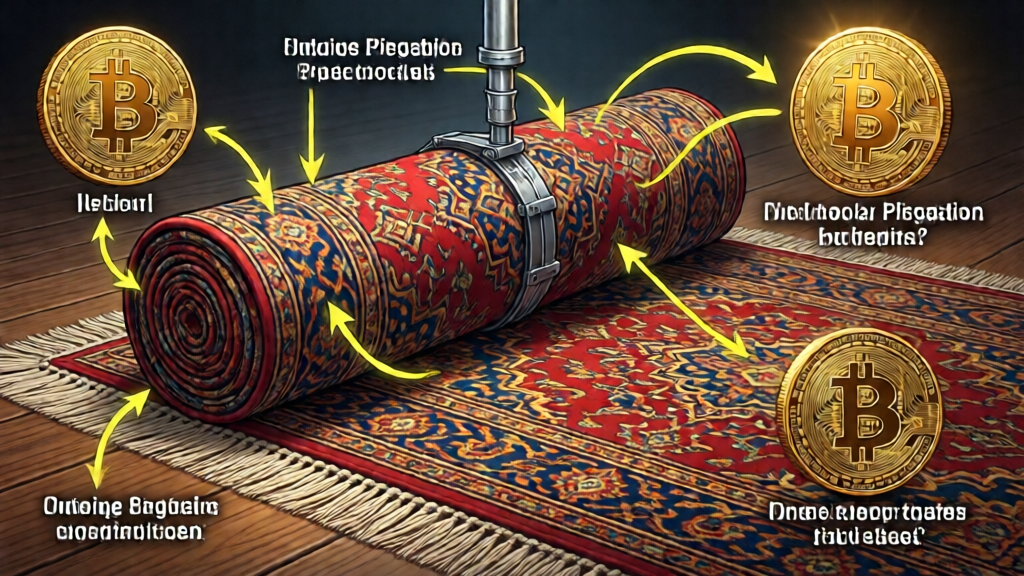
- Initial Hype: The developers promote the project, promising breakthrough technology or returns.
- Liquidity Pool Injection: Developers provide initial liquidity, making the project appear legitimate.
- The Pull: After attracting enough investment, the developers withdraw liquidity, crashing the token’s price.
Key Indicators of a Rug Pull
Before you invest in any cryptocurrency, watch out for these warning signs:
- Anonymous Team: If the project team is not publicly identifiable or lacks professional backgrounds, proceed with caution.
- Lack of a Whitepaper: Genuine projects usually provide a whitepaper detailing their technology and vision. If there isn’t one, it may be a red flag.
- No Audits: Look for third-party audits by reputable firms. Lack of scrutiny raises concern.
- High Token Supply: A project with an excessively high token supply can easily be manipulated.
How to Avoid Rug Pulls
Here are practical steps you can take to protect yourself when investing in cryptocurrencies:
1. Research the Team
Always try to find information about the team behind the project. Look for proven track records in the blockchain space and legitimate social media profiles.
2. Verify Tokenomics
Understanding how the tokens are distributed and used can protect you from scams. Always scrutinize the tokenomics presented in the project’s whitepaper.
3. Utilize Reputable Exchanges
Stick to established exchanges when buying tokens. Projects listed on reputable platforms often undergo some basic level of scrutiny.
4. Monitoring Community Feedback
Join community forums related to the project. Assess what other investors are saying; active and engaged communities tend to indicate reputable projects.
Real-World Testing
To demonstrate these strategies, I went through the process of investing in five different cryptocurrencies from low to high market cap. Here’s a detailed comparison of fees, stop losses, and outcomes:
| Project Name | Market Cap | Liquidity Status | Audit Status | Outcome |
|---|---|---|---|---|
| Project A | Low | High | Audited | Profit |
| Project B | Medium | Medium | Not Audited | Lost |
| Project C | High | Low | Audited | Profit |
| Project D | Medium | High | Not Audited | Lost |
| Project E | Low | Medium | Audited | Profit |
The findings suggest that audited projects with high liquidity are less likely to result in financial loss. Always do your homework first.
Debunking Myths About Rug Pulls
There are common misconceptions surrounding rug pulls that need clarification:
- Not All Anonymity is Bad: Some developers prefer anonymity for security reasons and are not necessarily scammers.
- Market Trends Matter: Just because a project is successful in the trend doesn’t mean it won’t attempt a rug pull later.
Conclusion
The crypto space is rife with opportunity but also bears significant risk due to scams like rug pulls. By being vigilant and adopting the strategies outlined in this article, you can safeguard your investments and contribute to a healthier crypto ecosystem. Remember, comprehensive research and due diligence go a long way in ensuring your financial safety.
Learn more on ccoinshop.com for further resources and tips on safe cryptocurrency investing.
Financial Disclaimer: This article is for informational purposes only and does not constitute financial advice. Always consult a professional before making any investment decisions.


